How to translate consent pages into different languages
You will learn
Learn how to add and manage translations in Klaviyo’s consent-page editor, including subscribe, unsubscribe, and preference pages.
In this article, you will learn how to:
- Add languages to your consent pages.
- Review and edit translated content.
- Understand translation warnings and publish translated pages.
- Configure Shopify to sync profile Locale changes from Klaviyo.
Before you begin
- Make sure Smart Translations is enabled for your account. For more information, see How to enable Smart Translations.
- Decide whether you want to translate your account-default pages, list-specific pages, or both.
- If you use the Shopify integration and Locale determines a subscriber’s language, complete the Shopify Locale setup before publishing translations.
If you use Shopify and Locale determines a subscriber’s language, include Locale in the data you sync from Klaviyo to Shopify. This helps keep Shopify’s customer locale aligned with changes collected in Klaviyo.
Translate your account-default consent pages
Account-default consent pages are used by lists that have not been customized with their own consent pages.
- In Klaviyo, go to Audience > Growth tools.
- Under Customize subscribe and preference pages, click Customize.
- Select Account default pages.
- Under the page type you want to edit, click Edit Page.
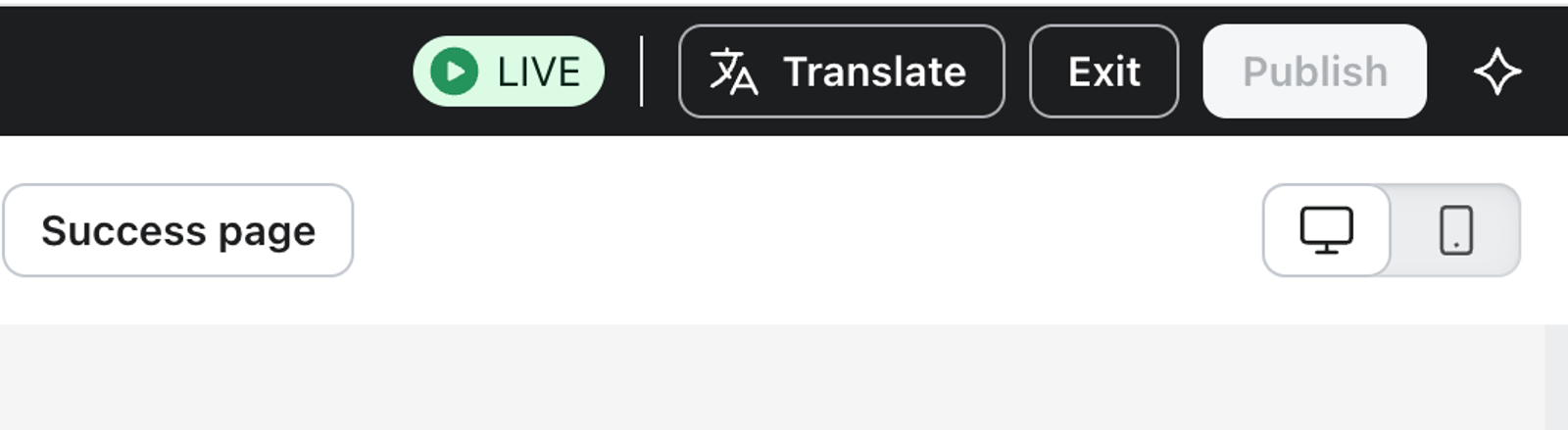
- In the upper-right corner of the editor, click Translate. If translations already exist, click the button showing the number of translations.
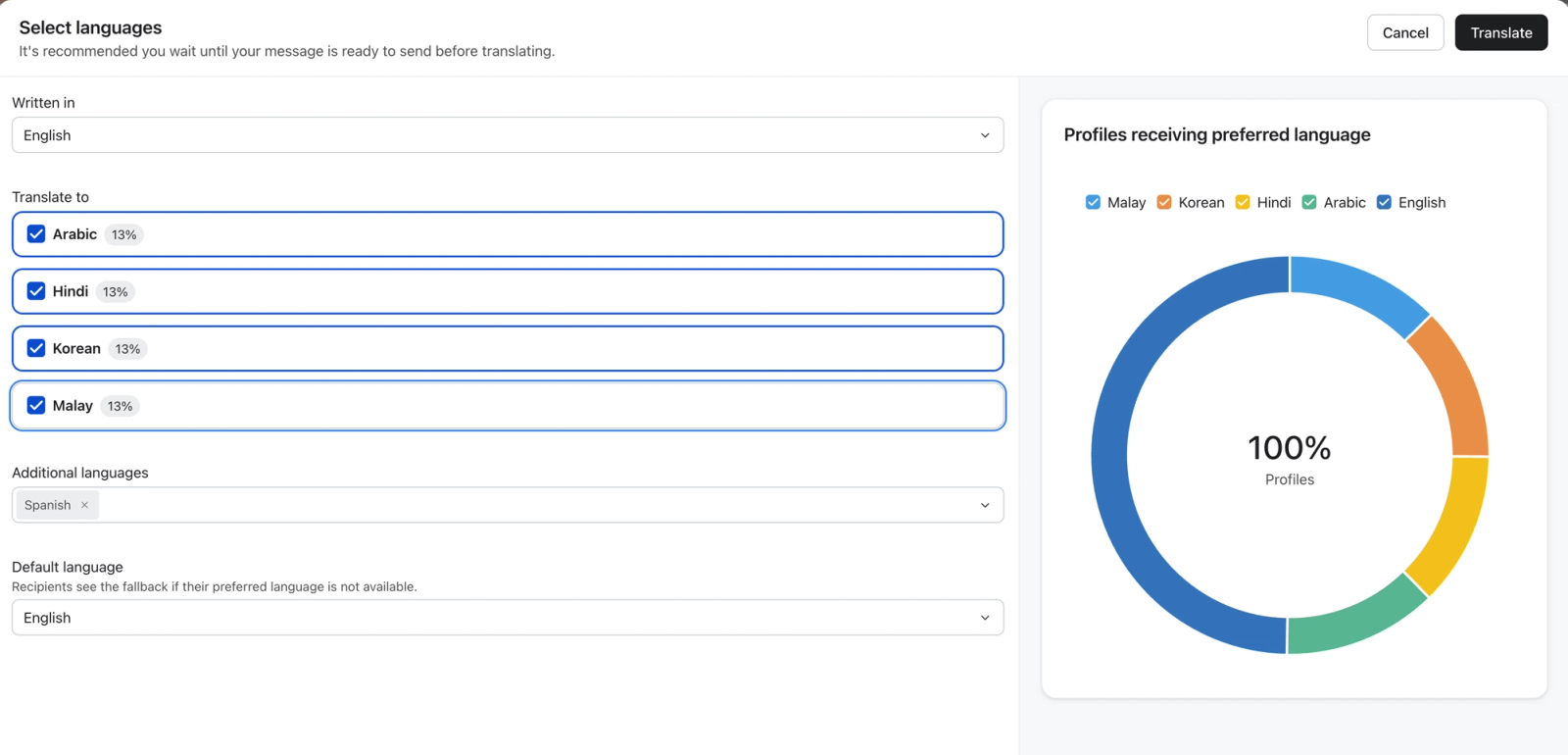
- If you are setting up translations for the first time, confirm the page’s original language under Written in and select the languages to add. Choose the Default language to use when a subscriber’s preferred language is unavailable, then click Translate.
- Select a language to review the translated content.
- Edit any translated text that needs to be adjusted for your brand, audience, or region. Click Done to return to the consent page editor.
- Review each language on your subscribe, unsubscribe, and preference pages, including their confirmation and success pages.
When you add a language from one consent page, the language is shared across the related consent pages in that group. Review each page to make sure its content is accurate and complete.
To add languages later, open your translations, click Manage languages, update your language selections, then click Save. Review the new translations before publishing.
Translate list-specific consent pages
List-specific consent pages override your account-default pages for a particular list.
Before you customize a list’s pages, publish any account-default translation changes you want subscribers to see on the new pages.
- In Klaviyo, go to Audience > Lists & segments.
- Select a list.
- Click Consent pages.
- Click Customize for this List if the list does not already have customized pages.
- Under the page type you want to edit, click Edit Page.
- In the upper-right corner of the editor, click Translate. If translations already exist, click the button showing the number of translations.
- If you are setting up translations for the first time, confirm the page’s original language under Written in and select the languages to add. Choose the Default language to use when a subscriber’s preferred language is unavailable, then click Translate.
- Select a language to review and edit the translated content. Click Done to return to the consent page editor.
- Review each language on your subscribe, unsubscribe, and preference pages, including their confirmation and success pages.
Review and edit translations
Translated content is added as a draft. Review the translation for every page before publishing it.
You can edit translated text directly in the translation editor. Make sure to review all subscriber-facing content, including:
- Headings and body text.
- Button labels.
- Privacy disclosures.
- Required-field text.
- Invalid-input and other error messages.
- Confirmation and success-page text.
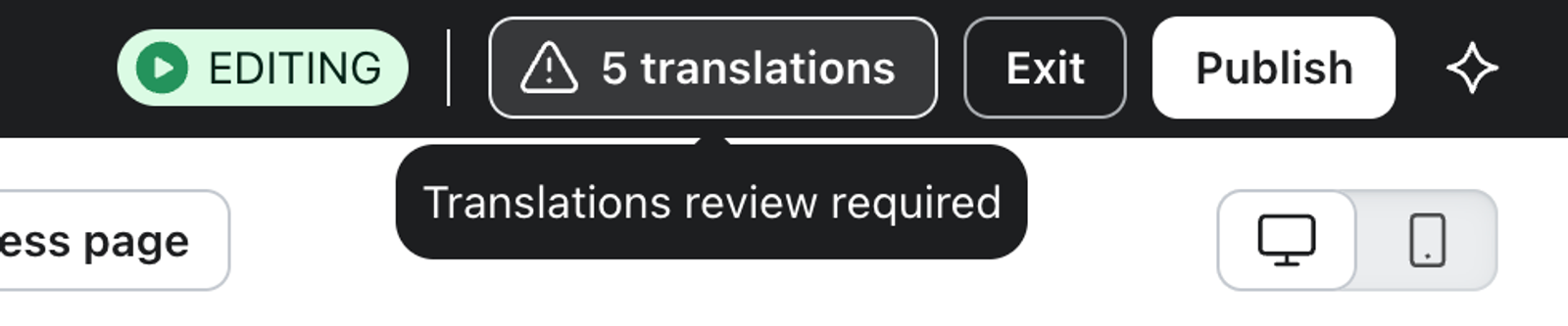
If you edit source content after adding a translation, the translation may become out of sync. Klaviyo shows a warning icon on the button displaying the number of translations when a translation needs review. If you publish without updating an out-of-sync translation, subscribers see the last translated version.
Click the warning or open the translation editor to review the affected language before publishing.
Publish translated consent pages
Nothing changes for subscribers until you publish your changes.
- Open the consent page editor for the page you want to publish.
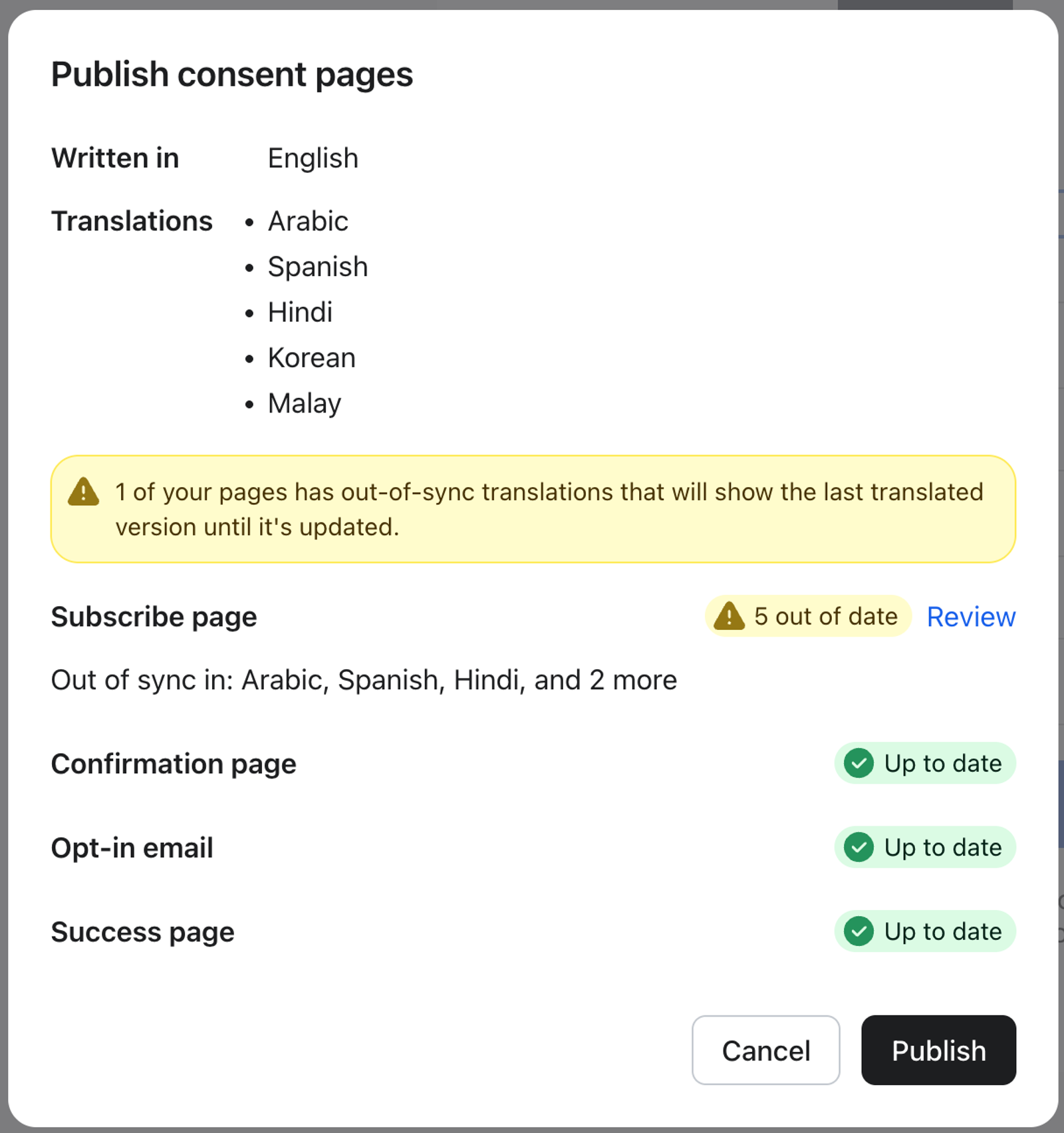
- Review any languages identified as needing an update.
- Update or edit the affected translations as needed.
- Click Publish. In the Publish consent pages dialog, check the translation statuses and resolve any remaining warnings, then click Publish to confirm.
Publish each consent page editor separately to make all translations live:
- Publishing from the preference-page editor publishes the pages associated with the preference page.
- Publishing from the subscribe-page editor publishes the subscribe flow pages.
- Publishing from the unsubscribe-page editor publishes the unsubscribe flow pages.
For example, if you publish from the preference-page editor, your subscribe and unsubscribe pages are not published automatically. To make translations live across all consent pages, publish from the subscribe, unsubscribe, and preference editors as needed.
Publishing translated consent pages does not publish changes to other consent-page editors. Publish each editor separately when you want every page to use the latest translations.
Shopify customers: Keep Locale in sync
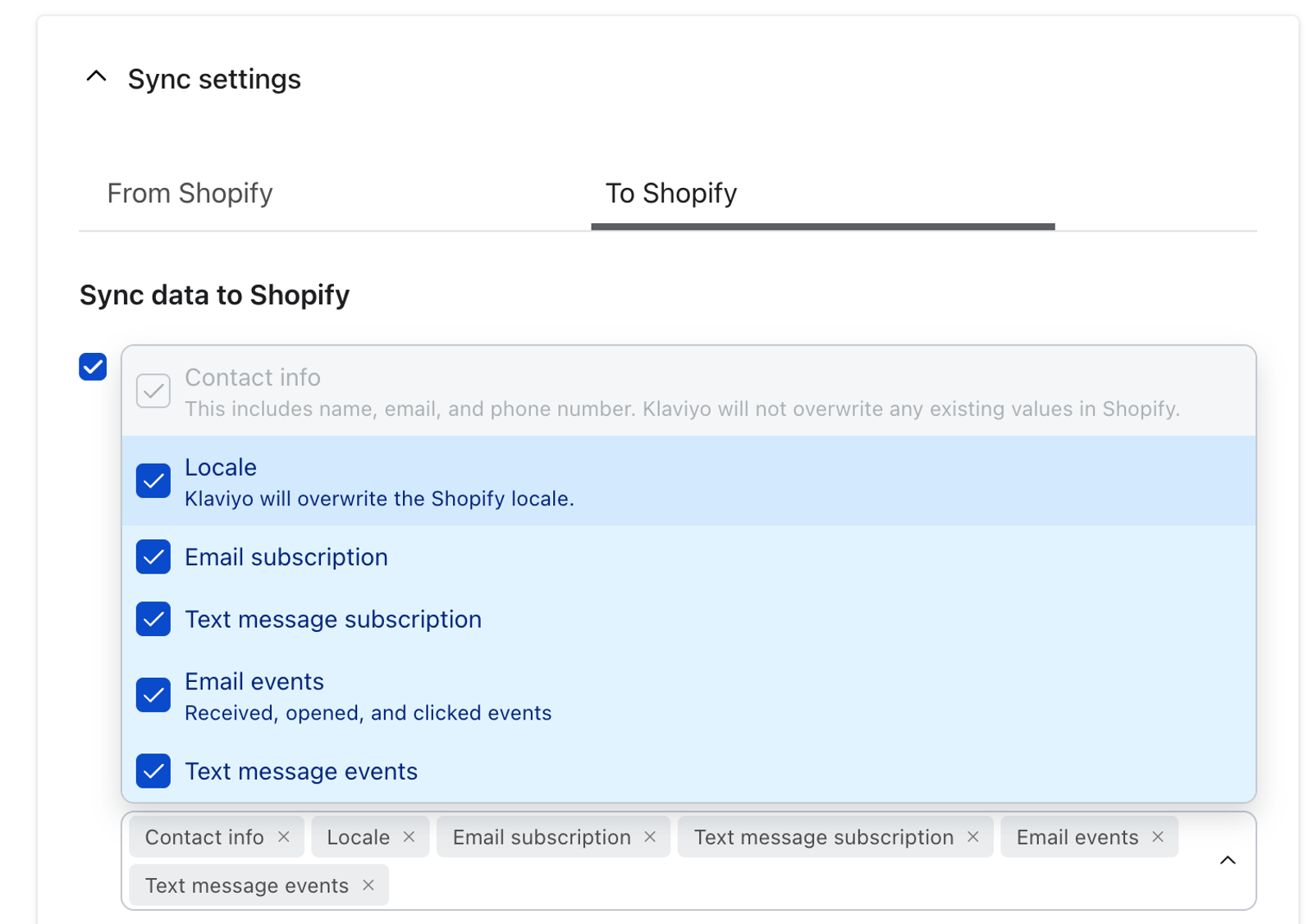
If you use Shopify sync and Locale is used as the profile property that determines a subscriber’s language, add Locale to the profile data that syncs from Klaviyo to Shopify.
This sends new Locale changes to Shopify for the profiles you sync. It does not automatically sync existing Locale values or stop Shopify from sending later locale updates to Klaviyo.
- In Klaviyo, go to Integrations.
- Click Shopify.
- Scroll down to Sync settings.
- Click the To Shopify tab.
- Select Sync Klaviyo profiles to Shopify if it is not already selected.
- Under Profiles, choose All profiles or Profiles that already exist in Shopify. Selecting All profiles also creates Shopify customer records for Klaviyo profiles that are not already in Shopify.
- In Profile data, select Locale if it is not already selected.
- Click Save.
For more information about configuring fields that sync from Klaviyo to Shopify, see How to sync data from Klaviyo to Shopify.
If you detach a list from consent pages
When you detach a list from your account-default consent pages, the new list-specific pages initially display the translations last published for the account-default pages.
Publish any account-default translation changes you want subscribers to see before clicking Customize for this List.
Additional resources
- Getting started with consent pages
Learn about the different consent pages related to Klaviyo lists, including the preferences, subscribe, and unsubscribe pages, and how to customize them.
- How to enable Smart Translations
Learn how to enable Smart Translations for messages so you can send campaigns and flows in multiple languages based on the language preferences of your audience. Klaviyo can translate email content to 60+ languages.
- How to sync data from Klaviyo to Shopify
Learn how to sync customer information such as profile information, custom properties, email and SMS subscription statuses, and events from Klaviyo to Shopify. You’ll make these changes from your Shopify integration settings page in Klaviyo. You can choose whether to sync updates for either all existing and new Klaviyo profiles, or only for Shopify-known profiles.