How to collect consent via Instagram
You will learn
Learn 2 ways to collect email and SMS subscribers via Instagram:
- Social Auto-replies: Auto-reply to Instagram DMs and comments with a message that collects email and phone number opt-ins right within the Instagram message. This method supports email, SMS, and WhatsApp consent collection.
- Subscribe links: share a link in your Instagram bio, story, or DMs. Email links open a subscribe page. Dynamic SMS links offer a text-to-join experience on mobile and a subscribe page on desktop.
Social Auto-replies
Social Auto-replies collect email, SMS, and WhatsApp consent inside Instagram DMs. When an Instagram user comments or DMs your keyword (for example, "access"), you can auto-reply with a message that collects their email and phone number with consent to join your Klaviyo list. Phone submissions can opt in to SMS, WhatsApp, or both.
Customers must complete any required double opt-in confirmation before becoming marketing subscribers. Submitting contact information or receiving the confirmation message in Instagram does not replace that confirmation.
Popular use cases include Instagram giveaways, early access offers, and evergreen campaigns.
For full setup instructions, see How to convert Instagram followers into subscribers.
Generate your subscribe link
Depending on whether you want to collect email or SMS subscribers, there is a link that’s optimized for each channel. You can share a subscribe page URL to grow an email list, or a dynamic SMS subscribe link to grow an SMS list.
Collect email subscribers with a Subscribe Page URL
Each of your Klaviyo lists has a dedicated subscribe page that can serve as a landing page for shoppers that click on the link. You can share the Subscribe Page URL on social media to direct shoppers directly to this page where they can sign up. To find the link:
- Navigate to Audience > Lists & segments.
- Select the list that you’d like to grow. To create a new list, click Create > List, enter a name, then click Create list.
- In the menu bar, click Consent pages.
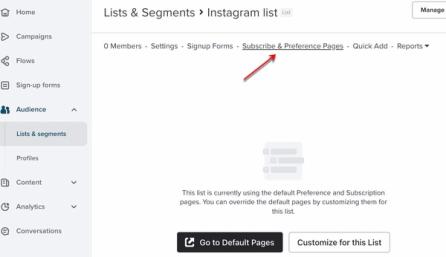
- If this list uses default consent pages, click Go to default pages, then Edit Page on the Subscribe page card. To customize pages for only this list, select Customize for this List instead, then Edit Page. If the list already has customized consent pages, click Edit Page on its Subscribe page card.
Changes to default consent pages apply to all lists that use them.
Make sure that your subscribe page does not include a phone number input field as it’s a potential compliance issue to collect email and SMS consent at one time.
- Click Publish to publish your edits. If a confirmation dialog appears, click Publish there too. After publishing succeeds, click Exit.
- Navigate back to the list page and click Sign-up forms from the menu bar.
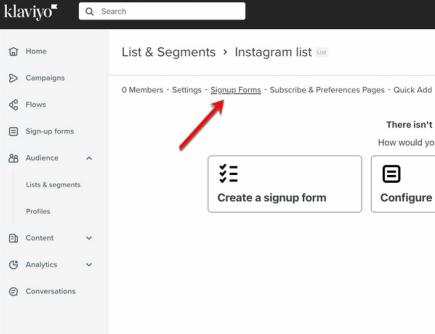
- Scroll down to the Subscribe page card. If the list uses default consent pages, click Copy Subscribe Page URL. If it uses customized consent pages, open the 3 dots menu and select Copy URL.
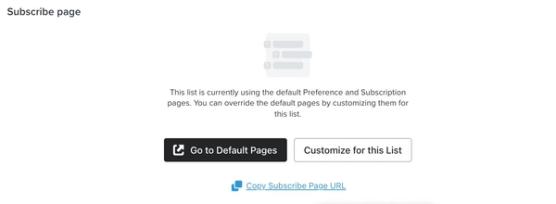
Your Subscribe Page URL will now be copied to your clipboard for you to paste wherever you’d like. Skip ahead for instructions on adding your link to an Instagram story.
Collect SMS subscribers with a dynamic SMS subscribe link
To collect SMS subscribers through a link, you can use a dynamic SMS subscribe link. It sends desktop shoppers to the selected list’s subscribe page. On mobile, it uses the keyword text-to-join experience: the shopper opens a prefilled message in their messaging app and sends it to start subscribing.
If the SMS link does not open the messaging app inside Instagram, the page displays instructions to open it in Safari or Chrome. The shopper can then use the button on that page to open the message in their messaging app, then send it.
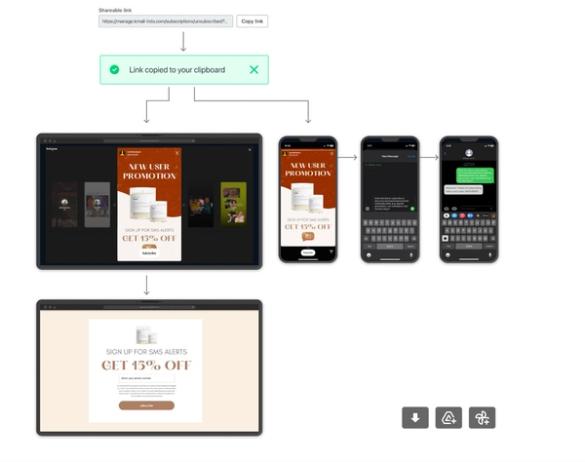
You need SMS turned on, a sending number that can receive replies, and an active subscribe keyword. If you haven’t yet created a subscribe link, see how to create an SMS subscribe link. Make sure the list’s desktop subscribe page includes a phone number field and SMS disclosure language.
Each SMS subscribe link uses 1 sending number. Choose a link for the countries that number supports. To find your SMS subscribe link:
- Navigate to Audience > Growth tools.
- Find Create and Manage WhatsApp and SMS (or text) subscribe links and click Manage.
- If channel tabs appear, select Text message. Click Copy link next to the SMS subscribe link you want to share.

Your SMS subscribe link will now be copied for you to paste wherever you'd like.
Make sure to copy your SMS disclosure language and include it wherever you post the link so that shoppers know what they’re opting into.
Add your link to an Instagram story
- Create a story in Instagram using the photo or video you want to share. Follow Instagram’s instructions for adding a Link sticker for the current steps.
For a full-screen story image, the recommended size is 1080 x 1920 px.
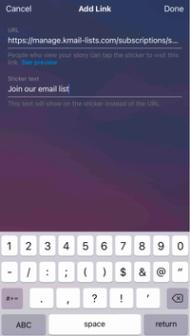
- Add the subscribe link you copied from Klaviyo to the story using a Link sticker.
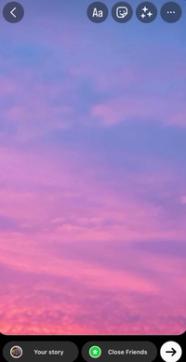
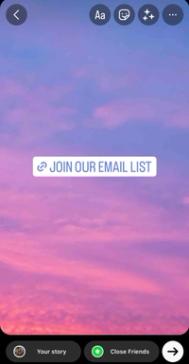
Use descriptive sticker text, such as “Sign up for email” or “Sign up for texts,” so shoppers know what the link is for.
Position the sticker where shoppers can see it clearly.
- If you’re posting an SMS subscribe link, copy the SMS disclosure language and include it wherever you post the link.
- Share the story.
Test the link from your Instagram story and complete the sign-up process. For an SMS link, check the mobile experience and the desktop subscribe page.
Once the post is live, you’ll begin collecting subscribers via Instagram.
Next steps
To send a more personalized message, add a split to your welcome series using a profile property or list membership that identifies the subscribers you want to target. Check that the information is present on their profiles before configuring the split. Learn more about Social Auto-replies in the dedicated help doc.
Additional resources
- Understanding SMS consent collection
Learn about SMS consent, including what counts as SMS consent, how you can collect it, and how resubscribes work. SMS consent refers to whether someone is opted in (i.e., if they have agreed to receive marketing text messages from your brand).
- How to use anchor links in your messages and forms
Learn how to use anchor links to target your sign-up forms, or in email and SMS messages to direct visitors to a particular section of a webpage.
- How to add a custom web feed in an email
Learn how to add and use a custom web feed within an email. A custom web feed allows you to dynamically populate a feed of data from an external URL within a Klaviyo email. Before sending an email, Klaviyo makes an HTTP request to the URL and fetches the data. The content of the web feed is then available for use in your email.